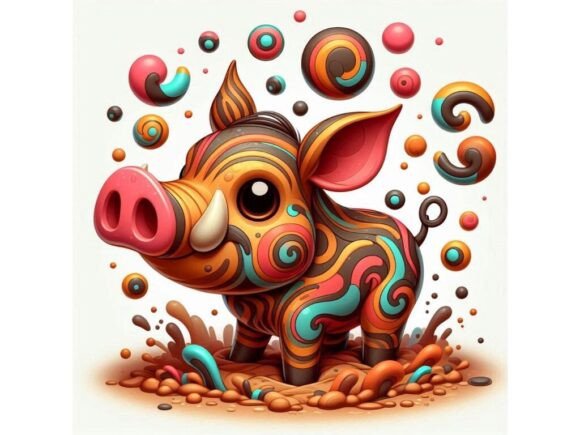
Understanding High-Resolution 3D Lemur JPEG Files for Print Applications
In today’s digital age, high-quality visual content plays a crucial role in both personal and professional contexts. Whether you're a designer, a small business owner, or someone looking to create custom products, understanding the importance of resolution and file quality is essential. One such example is a 3D lemur with bright eye markings in a 4000x4000 pixel, 300 dpi JPEG format, which offers exceptional clarity and versatility for various print applications.
What Makes a 4000x4000 Pixel, 300 DPI JPEG Ideal for Printing?
The combination of resolution and dots per inch (dpi) determines the quality of an image when printed. A 4000x4000 pixel image means that it contains 16 million pixels, providing an immense level of detail. When paired with a 300 dpi setting, this ensures that each inch of the printed image contains 300 dots, resulting in a sharp, clear, and vibrant output.
This resolution and dpi are particularly important for high-quality printing on a wide range of products. Whether you're printing on t-shirts, mugs, fabric, or stickers, a high-resolution file like this ensures that every detail—such as the lemur's bright eye markings—is preserved and visible, even when scaled up or down.
Applications of High-Resolution JPEG Files
The versatility of a 4000x4000 pixel, 300 dpi JPEG makes it suitable for a variety of industries and use cases. Let’s explore some of the most common applications:
T-Shirts and Apparel
When it comes to apparel printing, especially for t-shirts, the quality of the image file can make a significant difference. High-resolution images ensure that screen printing and direct-to-garment (DTG) printing processes produce crisp, detailed results. This is especially important for intricate designs like a 3D lemur with bright eye markings, where fine details need to remain sharp and clear.
Mugs and Drinkware
For drinkware such as mugs, the ability to wrap a design around a curved surface is crucial. A high-resolution JPEG file allows for sublimation printing, which transfers the image onto the mug in a way that maintains color vibrancy and detail. The 300 dpi setting ensures that even the smallest features of the lemur, like its eyes, appear vivid and lifelike on the curved surface.
Fabric Printing
Fabric printing requires images that can maintain their quality on materials like cotton and polyester. A 4000x4000 pixel, 300 dpi JPEG is ideal for this purpose, as it retains fine details regardless of the fabric type. This makes it perfect for custom clothing, pillows, and other fabric-based products that require a professional finish.
Sublimation and Decals
Sublimation is a popular technique used for printing on textiles and other surfaces. It works by transferring ink directly into the material, creating a durable and long-lasting image. A high-resolution JPEG file ensures that the sublimation process produces crisp, photo-realistic images, making it ideal for items like t-shirts, banners, and more.
Similarly, decals such as vinyl and wall decals benefit from a high-dpi file. Sharp edges and accurate color reproduction are essential for these types of prints, and a 300 dpi JPEG provides the necessary detail to achieve professional results.
Stickers and Bags
Whether you’re creating stickers or tote bags, the quality of the image file matters. A high-resolution JPEG ensures that the design remains clear and vibrant, even when printed in smaller sizes. This makes it a versatile choice for a wide range of products, from promotional materials to personalized gifts.
Why Choose a JPEG Format for These Applications?
The JPEG format is widely used due to its balance between quality and file size. It allows for lossy compression, meaning that the file remains relatively small while still maintaining a high level of detail. This makes it ideal for sharing and using in various print applications without compromising on quality.
Additionally, JPEG files are compatible with most printers and design software, making them a practical choice for both professionals and hobbyists. The combination of a high resolution, proper dpi, and the JPEG format ensures consistent and professional results across different products and mediums.
Common Misconceptions About Image Quality
One common misunderstanding is that higher resolution always means better quality. While resolution is important, it’s the combination of resolution and dpi that truly affects the final print. A low-dpi image, even if it has a high resolution, may appear blurry or pixelated when printed.
Another misconception is that all JPEG files are the same. In reality, the quality settings during file creation can impact the final output. For the best results, it’s important to use a high-quality JPEG with the appropriate resolution and dpi settings.
How to Use a 4000x4000 Pixel, 300 DPI JPEG Effectively
If you’re planning to use a 4000x4000 pixel, 300 dpi JPEG for your projects, there are a few key steps to follow:
- Verify the file specifications before printing to ensure it meets the required resolution and dpi standards.
- Use professional printing services that support high-resolution files to get the best results.
- Optimize the file for the specific application, whether it’s for fabric, mugs, or stickers.
By following these steps, you can ensure that your high-resolution JPEG file translates into a stunning, professional print on any product.
Conclusion
Understanding the significance of a 4000x4000 pixel, 300 dpi JPEG is essential for anyone involved in printing or design. Whether you're creating custom t-shirts, mugs, fabric items, or stickers, this format offers the clarity, detail, and versatility needed for high-quality results. With the right approach and tools, you can bring your creative visions to life with stunning precision and professionalism.